

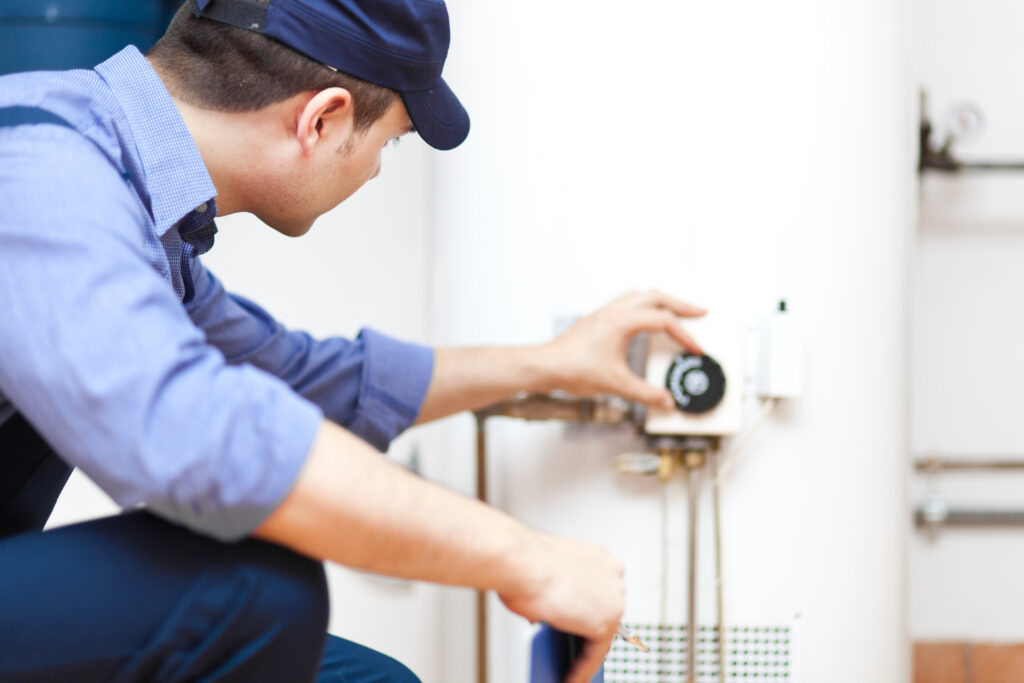
Most homeowners expect their water heater to last well over a decade, but many are surprised when the tank wears out earlier than expected. A typical tank-style water heater lasts 8 to 15 years, depending on the model, water quality, and maintenance. Older tanks, especially those installed 20 to 30 years ago, often lasted longer because they were built with heavier materials and simpler internal parts.
Today’s water heaters are more efficient, but they’re also more sensitive to water conditions, installation quality, and upkeep. Understanding what affects tank lifespan can help homeowners plan ahead, avoid sudden failures, and make informed decisions about repair or replacement.
Lifespan Expectations Over Time
A traditional tank water heater doesn’t last forever, even with perfect care. Most fall into these general ranges:
- Gas water heaters: 8 to 12 years
- Electric water heaters: 10 to 15 years
- Older, heavier-built tanks: 15 to 20 years or more
The difference in lifespan between older and newer models usually comes down to materials and construction. Older tanks used thicker steel and heavier glass linings, which slowed down corrosion. Newer units use lighter materials to meet modern efficiency and cost requirements.
Even among new models, lifespan varies based on real-world factors:
- Tank quality: Better lining, thicker walls, and higher-quality parts usually mean longer life.
- Maintenance habits: Flushing the tank, checking the anode rod, and inspecting valves prevent early failure.
- Water quality: Hard water causes sediment buildup, which makes the tank overheat and wear out faster.
- Usage patterns: Large households use more hot water, increasing the number of heating cycles and shortening the tank’s life.
For most homeowners, a well-maintained tank water heater will reliably last 10 to 12 years, with some lasting longer if conditions are ideal.
Why Don’t New Water Heater Tanks Last as Long as They Used To?
Many homeowners notice their new water heater doesn’t last as long as the older one they replaced. Several changes in the industry explain this shift:
- Tanks are built with thinner steel: Modern tanks are made with lighter materials to meet updated manufacturing and shipping requirements. While they still perform well, thinner steel can corrode faster once the protective lining starts to wear out.
- Budget-Friendly Materials Are More Common: Manufacturers are under pressure to keep costs manageable. As a result, many water heaters use lighter anode rods, simpler valves, thinner glass linings, and more lightweight fittings. These changes help with energy efficiency and affordability, but can reduce long-term durability.
- Efficiency requirements change the design: New water heaters must meet stricter energy rules. To do this, manufacturers adjust insulation, burner design, and internal components. These changes often improve energy savings but can create extra heat spots inside the tank, which may lead to faster wear.
- Hot water usage has increased over the years: More bathrooms, bigger tubs, more appliances, and higher daily demand all put additional strain on a tank. Even the best water heater wears out faster when it’s constantly running.
Modern units can still last a long time, but regular maintenance and good installation are more important today than they were with older, heavier-built tanks.
Common Failure Modes for Water Heaters
Water heaters tend to fail in predictable ways. Knowing the most common problems can help you tell whether your system needs repair or if a full replacement is the safer option.
- Corrosion inside the tank: Corrosion happens when water breaks through the tank’s protective lining. Once the steel starts rusting, the tank weakens, and leaks eventually appear. At that point, replacement is the only safe solution.
- Sediment build-up: Mineral deposits settle at the bottom of the tank. Over time, sediment forms a thick layer that traps heat. This forces the tank to work harder, which can overheat the metal and cause early failure.
- Heating element problems: Electric water heaters rely on heating elements that can burn out, especially in homes with hard water. Replacing elements is often simple, but repeated failure may signal deeper tank issues.
- Pressure issues: If the pressure inside the tank gets too high or the temperature-and-pressure valve stops working, the tank may become unsafe and wear out faster.
- Tank leaks: A leaking tank body is never repairable. Even a small drip usually means the tank is past its usable life.
These issues tend to show up more often as a tank ages, especially if it hasn’t been maintained regularly.
Factors That Influence Water Heater Lifespan
Several everyday conditions affect how long a water heater lasts. Even two identical models installed in the same year can age very differently.
- Hard water and mineral levels: Hard water is one of the biggest threats to tank life. Calcium and magnesium settle inside the tank, creating sediment. This causes overheating, noise, and faster corrosion. Homes with very hard water often need more frequent maintenance or earlier replacement.
- How often the tank is maintained: A tank that’s never flushed or inspected will almost always fail earlier than one that’s cared for each year. The difference can be several years of added life.
- Usage levels: More people in the home means more hot water demand. Heavy usage leads to more heating cycles and more wear on the tank lining and heating components.
- Installation quality: Incorrect pipe sizing, poor connections, bad venting, or wrong pressure settings can cause long-term problems that shorten the unit’s lifespan.
- Local water chemistry: Some areas have water that’s more acidic or contains higher chlorine levels. Both conditions can weaken tank materials faster.
Understanding these variables helps homeowners spot early warning signs and take steps to extend the tank’s life.
Maintenance Practices That Extend Lifespan
Regular maintenance is the easiest way to help a water heater last longer. A few simple steps can make a big difference:
- Flush the tank: Draining the tank once a year removes sediment and keeps the system running efficiently.
- Replace the anode rod: The anode rod protects the tank from rust by acting as a “sacrificial” metal. Once it wears out, the tank lining begins to corrode. Replacing the rod every few years can add years to the tank’s life.’
- Check the pressure relief valve: Ensuring the T&P valve opens and closes properly keeps the tank from building unsafe pressure.
- Set a safe water temperature: Keeping the tank at about 120 degrees reduces stress on the system and helps prevent scalding.
- Fix small problems early: Odd noises, fluctuating temperatures, or discoloration in hot water are early signs of trouble. Quick repairs can prevent major damage later.
Routine service is simple but makes a real difference in how long a water heater lasts.
When To Replace Your Water Heater
Even with great maintenance, every water heater eventually reaches the end of its life. Most homeowners should begin planning for replacement once the unit is 10 to 15 years old.
Common signs it’s time to replace include:
- Rust-colored or cloudy hot water
- Frequent temperature drops
- Popping or rumbling noises
- Leaks or moisture around the tank
- Higher utility bills
- Slow heating recovery
- Multiple repair calls in a short period
Replacing a water heater before it fails prevents sudden leaks, water damage, and major inconvenience. A professional inspection can confirm whether repair is still an option or if replacement will be more cost-effective and safer.
Contact Nerthling’s today to schedule water heater repair, maintenance, or replacement.
Frequently Asked Questions
How Long Should A Typical Water Heater Last?
Most water heaters last 8 to 15 years, depending on the model, water quality, and whether the tank receives routine maintenance.
What Reduces The Lifespan Of A Water Heater?
Hard water, sediment buildup, corrosion, high usage, and poor installation conditions are the most common causes of early failure.
Can Maintenance Really Extend A Tank’s Life?
Yes. Flushing the tank, checking the pressure valve, and replacing the anode rod help the tank run more efficiently and reduce corrosion.
How Do I Know If My Water Heater Needs Replacing Soon?
Age is the main indicator. If the tank is over 10 years old and you’re seeing leaks, rust, odd noises, or inconsistent hot water, replacement is likely the best option.
Are Newer Water Heaters Less Durable Than Older Ones?
Yes. Older tanks used heavier materials and were built differently. Newer tanks are more efficient but may not last as long without proper care.